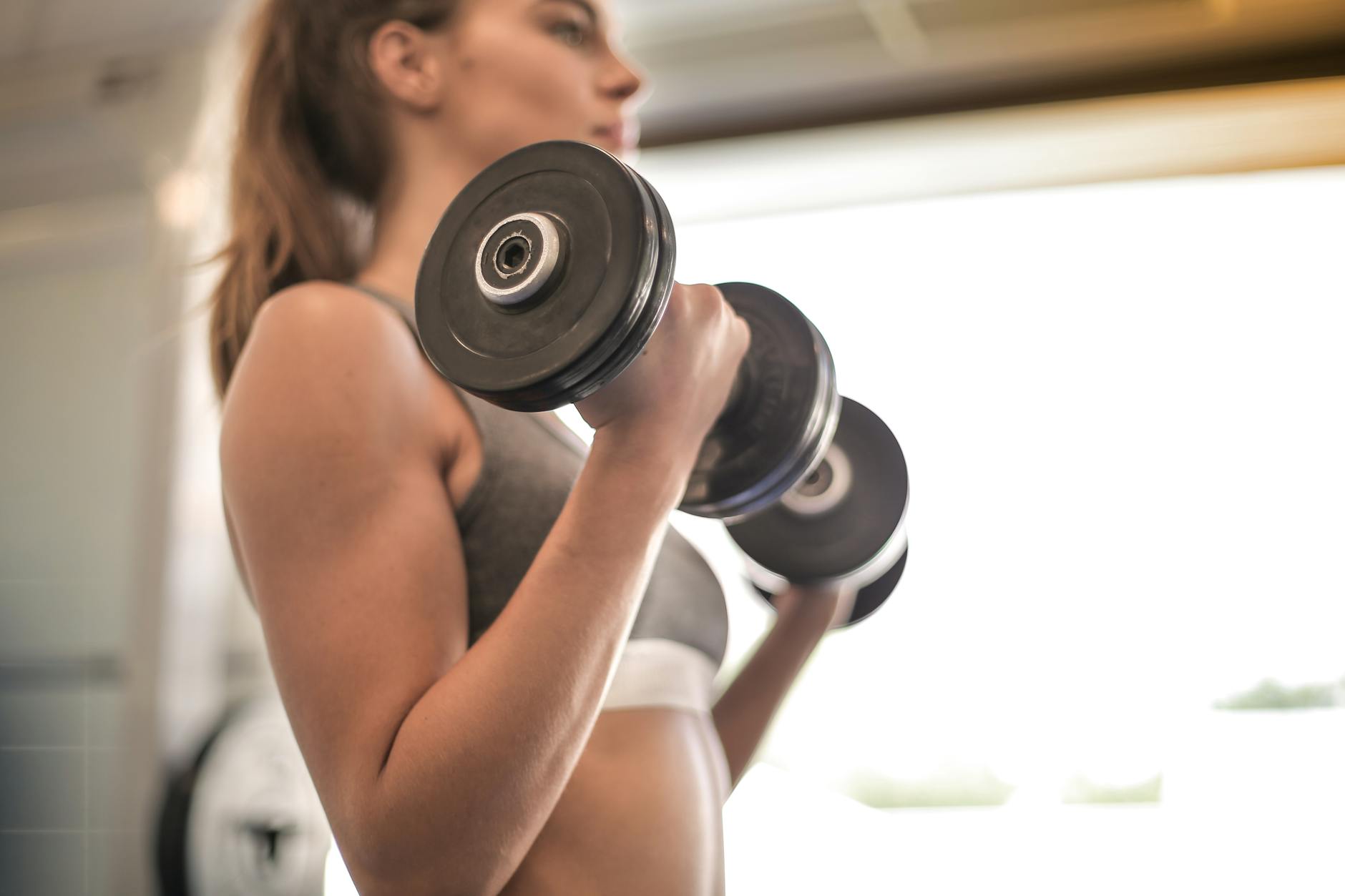
Use this rectangle body shape workout to put extra training volume into your glutes, shoulders, and upper back while keeping your whole body strong. Run the three-day plan for 8 to 12 weeks, log every working set, and add reps or weight before adding exercises.
Rectangle shape is a visual starting point, not a diagnosis or destiny. It usually means your shoulders, waist, and hips look similar in width. Training cannot change your rib cage, pelvis, shoulder width, or other bone structure. It also cannot spot-reduce fat from your waist. It can build muscle, improve strength, and gradually change your proportions.
What to Emphasize in a Rectangle Body Shape Workout
If your goal is more visible shape, give your glutes, side shoulders, and upper back a little more weekly work. Keep squats, hinges, presses, pulls, and core training so the plan stays balanced.
| Area | Weekly starting target | What the work does |
|---|---:|---|
| Glutes | 10-14 hard sets | Builds hip extension, abduction, and single-leg strength |
| Side and rear shoulders | 8-12 hard sets | Builds shoulder muscle and upper-body shape |
| Upper back and lats | 8-12 hard sets | Supports posture, pulling strength, and a stronger frame |
| Quads and hamstrings | 6-10 hard sets each | Keeps the legs balanced around the glute emphasis |
| Chest, arms, and core | 4-8 hard sets each | Supports presses, pulls, and full-body strength |
These are starting ranges, not magic numbers. Finish most sets with 1 to 3 good reps left. Start at the low end if you are new, then add work only when your strength is rising and you recover before the next session.
The 3-Day Rectangle Body Shape Workout
Train on three non-consecutive days, such as Monday, Wednesday, and Friday. Keep the same exercises long enough to improve them.
Day 1: Glutes, legs, and shoulders
| Exercise | Sets | Reps |
|---|---:|---:|
| Hip thrust | 4 | 8-12 |
| Goblet squat or leg press | 3 | 8-12 |
| Dumbbell shoulder press | 3 | 8-12 |
| Reverse lunge | 3 | 8-10 each side |
| Lateral raise | 3 | 12-20 |
| Dead bug | 2 | 8-10 each side |
Day 2: Back, hamstrings, and glutes
| Exercise | Sets | Reps |
|---|---:|---:|
| Romanian deadlift | 3 | 8-10 |
| Lat pulldown | 3 | 8-12 |
| Bulgarian split squat | 3 | 8-10 each side |
| Chest-supported row | 3 | 8-12 |
| Cable or band hip abduction | 3 | 12-20 |
| Pallof press | 2 | 10-12 each side |
Day 3: Full body with glute and shoulder detail
| Exercise | Sets | Reps |
|---|---:|---:|
| Glute bridge | 3 | 10-15 |
| Step-up | 3 | 8-10 each side |
| Dumbbell bench press | 3 | 8-12 |
| Seated cable row | 2 | 8-12 |
| Cable kickback | 2 | 12-15 each side |
| Lateral raise or reverse fly | 3 | 12-20 |
Warm up with 5 minutes of easy movement and one or two lighter practice sets before the first major lift. Rest 2 to 3 minutes after hip thrusts, squats, hinges, presses, rows, and split squats. Rest 60 to 90 seconds after raises, kickbacks, abductions, and core exercises.
If this is your first program, use Strength Training for Women Beginners to choose safe starting weights and learn the main movement patterns.
Build Shape With Muscle, Not Waist-Fixing Tricks
The practical goal is to build muscle around your current frame. Glute training can add muscle around the hips. Side and rear shoulder work can add muscle to the upper body. Back training can improve strength and how your upper body looks. None of those exercises changes the bones underneath.
Do not turn the plan into hundreds of side bends or daily ab circuits to “carve” a waist. Core exercises make your trunk stronger, but they do not choose where fat leaves. Keep two short core slots in the week and spend most of your effort progressing the larger lifts.
If you want a broader plan comparison first, read Workout for Your Body Shape. The Hourglass Workout Plan uses a similar glute-and-shoulder emphasis but targets a different search intent: maintaining balanced hourglass proportions rather than starting from a rectangle-shape goal.
If your shoulders look wider than your hips and lower-body muscle is the priority, compare the Inverted Triangle Body Workout. If your hips look wider and you want more shoulder and upper-back emphasis, use the Pear-Shaped Body Workout. Pick one complete plan and progress it for 8 to 12 weeks.
Progress the Plan for 8 to 12 Weeks
Use double progression:
- Pick a weight you can control at the bottom of the rep range.
- Add reps across later sessions while keeping the same technique.
- When every set reaches the top of the range, add a small amount of weight.
- Return to the bottom of the range and repeat.
Log the weight, reps, and effort for every working set. The plan is working when you can perform more reps, use more weight, or control the same weight better over time.
Do not add more exercises after one good week. Complete four consistent weeks first. If your glutes recover well but stop progressing, add one set to hip thrusts or glute bridges. If your shoulders recover well, add one set to lateral raises. If performance falls for two sessions, remove a set and check sleep, food, and stress.
For more glute exercise options, use the Glute Workout Plan for Women. Choose one complete plan rather than stacking both workouts and doubling your volume.
Match Food to the Result You Want
There is no rectangle-body diet. Set calories and protein from your goal, training, and actual progress.
If muscle and shape are the priority
- Eat around maintenance or use a small calorie surplus.
- Spread protein across 3 to 4 meals each day.
- Keep carbohydrates around training so you can progress the hard sessions.
- Compare strength, photos, and measurements every 4 weeks.
If fat loss is the priority
- Use a modest calorie deficit rather than a crash diet.
- Keep protein high and continue lifting.
- Keep daily steps consistent or add two short cardio sessions if recovery is good.
- Review your weight trend, waist measurement, photos, and gym performance for 3 to 4 weeks before adjusting.
Fat loss happens across the body according to genetics and energy balance. No exercise can force fat to leave only your stomach or waist. Body Recomposition for Women gives you realistic calorie, protein, and progress rules for losing fat while protecting muscle.
Mistakes That Slow Progress
Training only glutes and shoulders
Extra emphasis is useful; skipping everything else is not. Keep quads, hamstrings, chest, back, and core work in the week so your strength and joints stay balanced.
Chasing a smaller waist with ab workouts
Ab exercises strengthen muscle. They do not spot-reduce stomach fat or change rib-cage width. Use nutrition and overall activity for fat loss, then train your core for strength.
Changing the program every week
Muscle growth needs repeated practice and progressive tension. Keep the main lifts for at least 8 weeks unless an exercise causes pain or does not fit your equipment.
Following somatotype rules
You do not need an “ectomorph” workout or a body-type meal plan. Somatotypes do not decide how you should train or eat. Your goal, experience, recovery, nutrition, and measured results do.
Your Next Step
Schedule the three sessions and complete the first week with conservative weights. Repeat the plan, log every set, and improve one rep or one small weight jump at a time.
Soma keeps workouts, weights, reps, calories, protein, and progress together so you can adjust from real results instead of a body-type quiz. Download Soma free on the App Store.